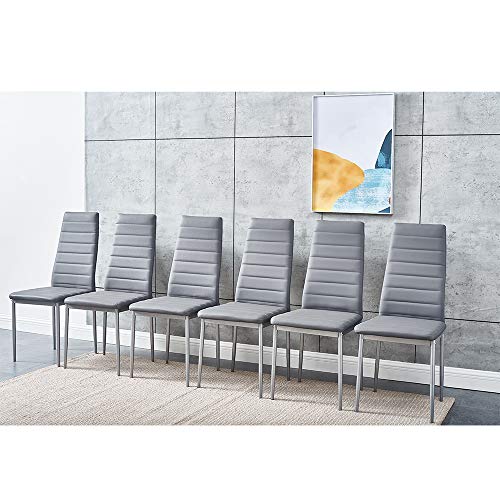
Style Your Living Room with Right Furniture Choices
Choosing the right furniture for your living room can significantly enhance its aesthetic appeal and functionality. It is essential to consider various aspects such as space, style, and your personal preferences. This article delves into the best strategies for selecting furniture that not only complements your living room's design but also meets your lifestyle needs.
Understanding Your Space
Before making any furniture purchases, thoroughly assess your living room space. This involves measuring the dimensions of the room and understanding how you use the area. For instance, if you often host gatherings, it is crucial to have ample seating. If the space is limited, opt for multifunctional furniture that maximizes utility without overcrowding.
Consider the layout of your living room. A well-planned arrangement can create a welcoming atmosphere. For example, if your living room has a fireplace, arrange seating to face this focal point. Alternatively, if you have a television, ensure that seating offers a clear view. Utilizing design software can also help visualize the arrangement before making any purchases.
Selecting the Right Furniture Style
Your choice of furniture style should reflect your personality and the overall theme of your home. Whether you prefer modern, traditional, or eclectic styles, consistency is key. Modern furniture often features clean lines and minimalistic designs, while traditional furniture may include ornate details and rich finishes.
For a cohesive look, choose furniture that complements your existing decor. If your walls are painted in neutral tones, vibrant furniture can add a pop of color. Conversely, if your space is already filled with bold colors and patterns, opt for more subdued furniture choices to balance the visual elements.
People Also Look For:
- FOREHILL White Chest of Drawers Bedroom Tall Storage Cabinet with 7 Drawers Dresser Drawers Bedroom Storage Cupboard for Living Ro...
- LVB Round Dining Table, 130cm Circle Kitchen Table, Modern Wood Metal Round Table for 4-6, Industrial Small Dinner Tables, Coffee ...
- Yaheetech Round Coffee Table, 80CM small coffee table for Living Room, Rustic Wood Coffee Table with Sturdy Metal Legs, Easy to As...
- PHIVILLA 5 PCs Garden Furniture Sets with Garden Table and Chairs, Outdoor Patio Set with Adjustable Garden Folding Chairs & Squar...
- OHS Console Table for Hallway, Wooden Console Table with 2 Drawers Metal Frame Decorative Display Tables for Living Room Entryway ...
Functionality and Comfort
While aesthetics are important, functionality and comfort should not be overlooked. The furniture in your living room should cater to your daily activities. Sofas and chairs should be comfortable for lounging, while tables should be at a convenient height for dining or working.
Consider the materials used in the furniture as well. For high-traffic areas, durable fabrics such as leather or tightly woven textiles are ideal. They withstand wear and tear, making them suitable for families with children or pets. Additionally, investing in quality furniture can save you money in the long run, as it is less likely to require replacement.
Incorporating Accessories and Accents
Once you have the main furniture pieces in place, accessorizing can elevate the overall look of your living room. Accessories such as throw pillows, rugs, and art can add depth and interest. For example, a well-placed area rug can define the seating area and provide warmth, while decorative pillows can introduce color and texture.
Incorporate personal items such as books or photographs to make the space feel inviting. These elements reflect your personality and can serve as conversation starters. Aim for a balance between decorative and functional items to avoid clutter.
Creating Zones within Your Living Room
In larger living rooms, consider creating distinct zones for different activities. For instance, a reading nook can be established with a comfortable chair, a small side table, and a lamp. This not only enhances functionality but also adds visual interest by breaking up the space into more manageable areas.
Utilize furniture placement to define these zones. L-shaped sofas can help separate the living area from a dining space. Moreover, using area rugs can further delineate different sections within the room, making it feel organized and purposeful.
Color and Texture Coordination
The color palette and textures of your furniture should harmonize with the overall design scheme of your living room. Neutral colors are often preferred for larger pieces, as they provide a versatile base. Accent furniture or decor can then introduce bolder colors or patterns. Mixing different materials such as wood, metal, and fabric can create a visually appealing contrast.
Incorporating various textures adds depth to your living room. For instance, pairing a soft velvet sofa with a sleek glass coffee table creates an interesting interplay of materials. Layering different fabrics in cushions and throws can also enhance comfort while providing a stylish element.
Budget Considerations and Planning
Establishing a budget is critical when furnishing your living room. Determine how much you are willing to spend and prioritize your purchases accordingly. It may be beneficial to invest more in key pieces such as sofas and chairs, while opting for more affordable options for decorative items.
Consider shopping during sales events or exploring second-hand options for unique finds. Thrift stores often carry vintage furniture that can add character to your living space. Online marketplaces can also provide access to a wide range of furniture options at various price points.
Additionally, consider the long-term implications of your purchases. Investing in timeless designs can offer longevity, while trendy items may become outdated quickly. Establishing a clear vision of your living room style will guide your choices and ensure that your selections align with both your aesthetic and functional needs.